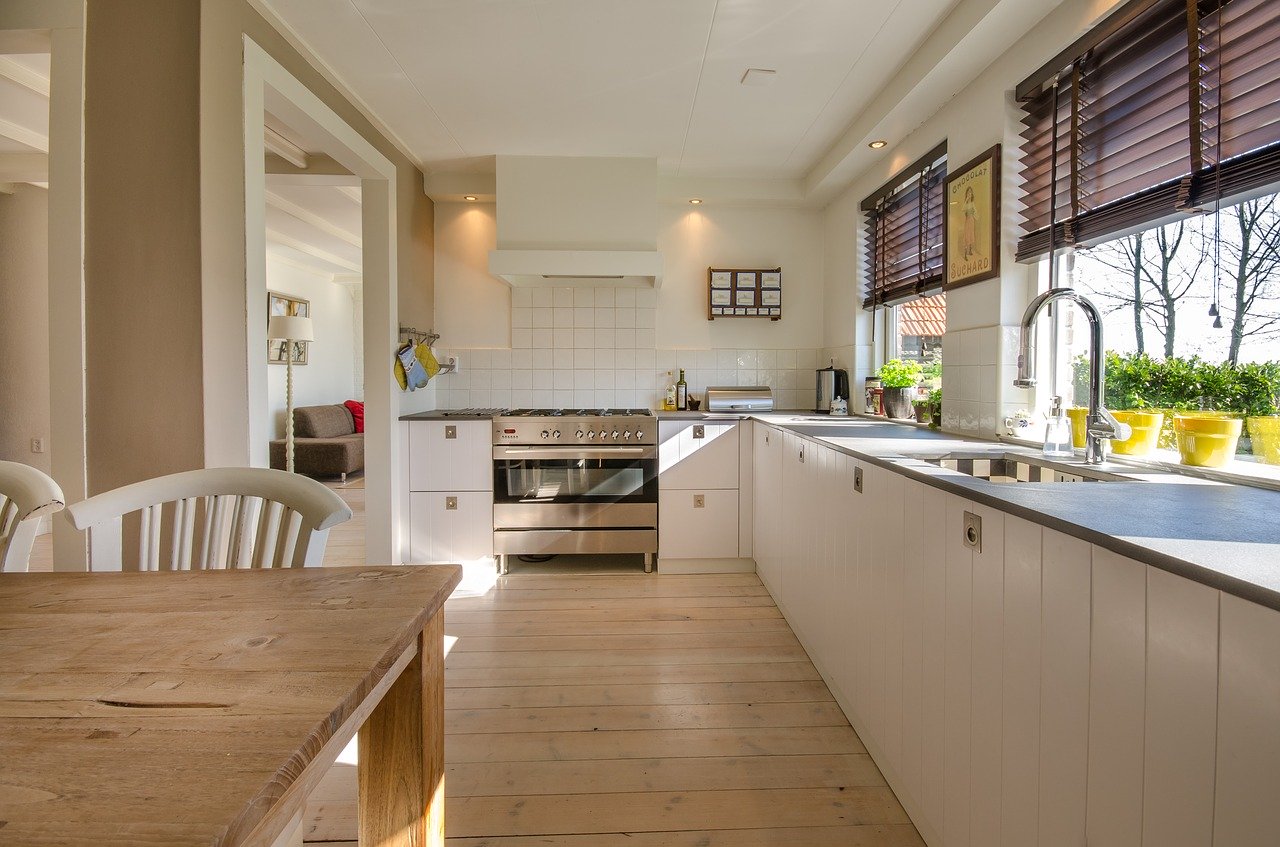
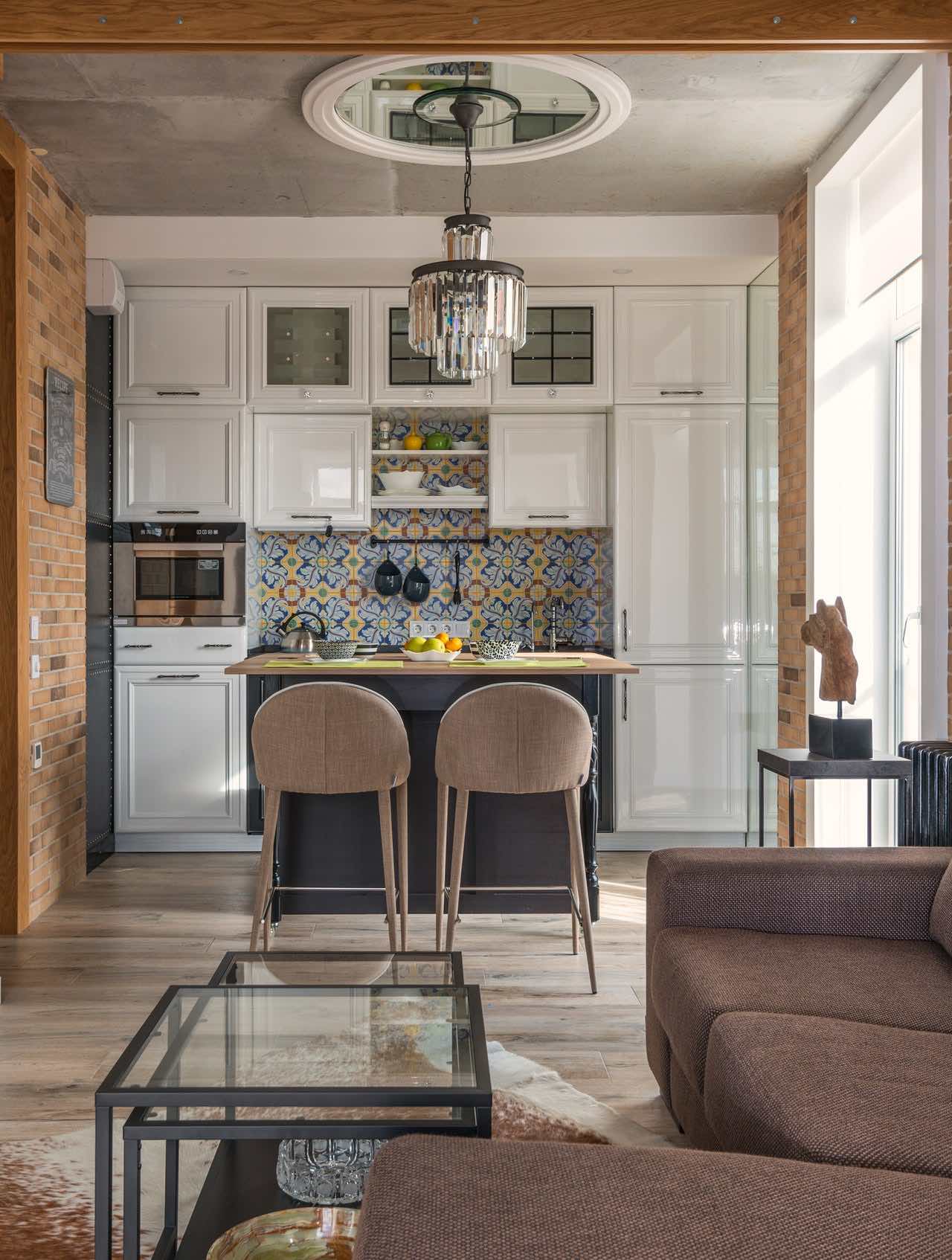
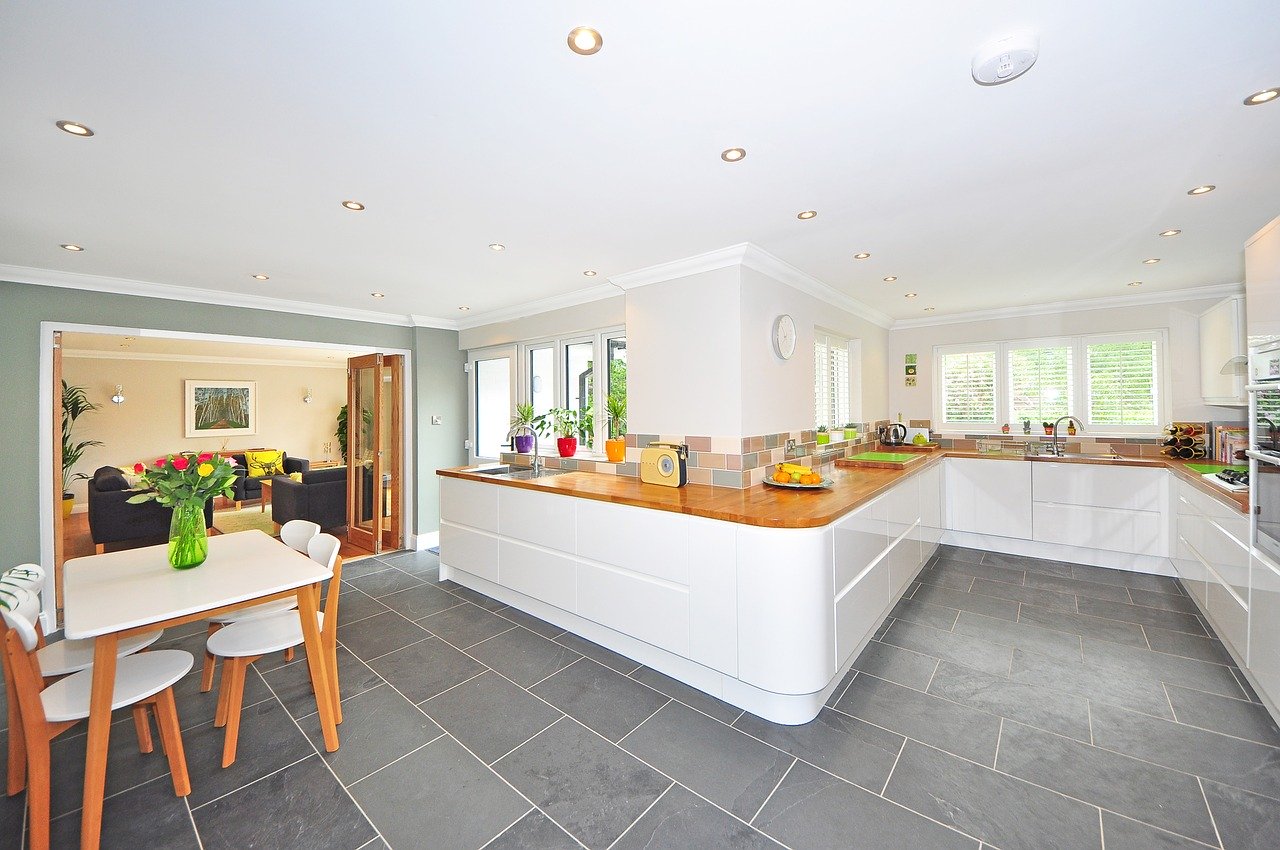
The L-shaped kitchen layout is a trendy idea that was actually developed ages ago. It offers a modern look that works well in many homes, creating an efficient workflow along two perpendicular walls with ample room for cooking, storage and preparation, without unnecessary clutter.
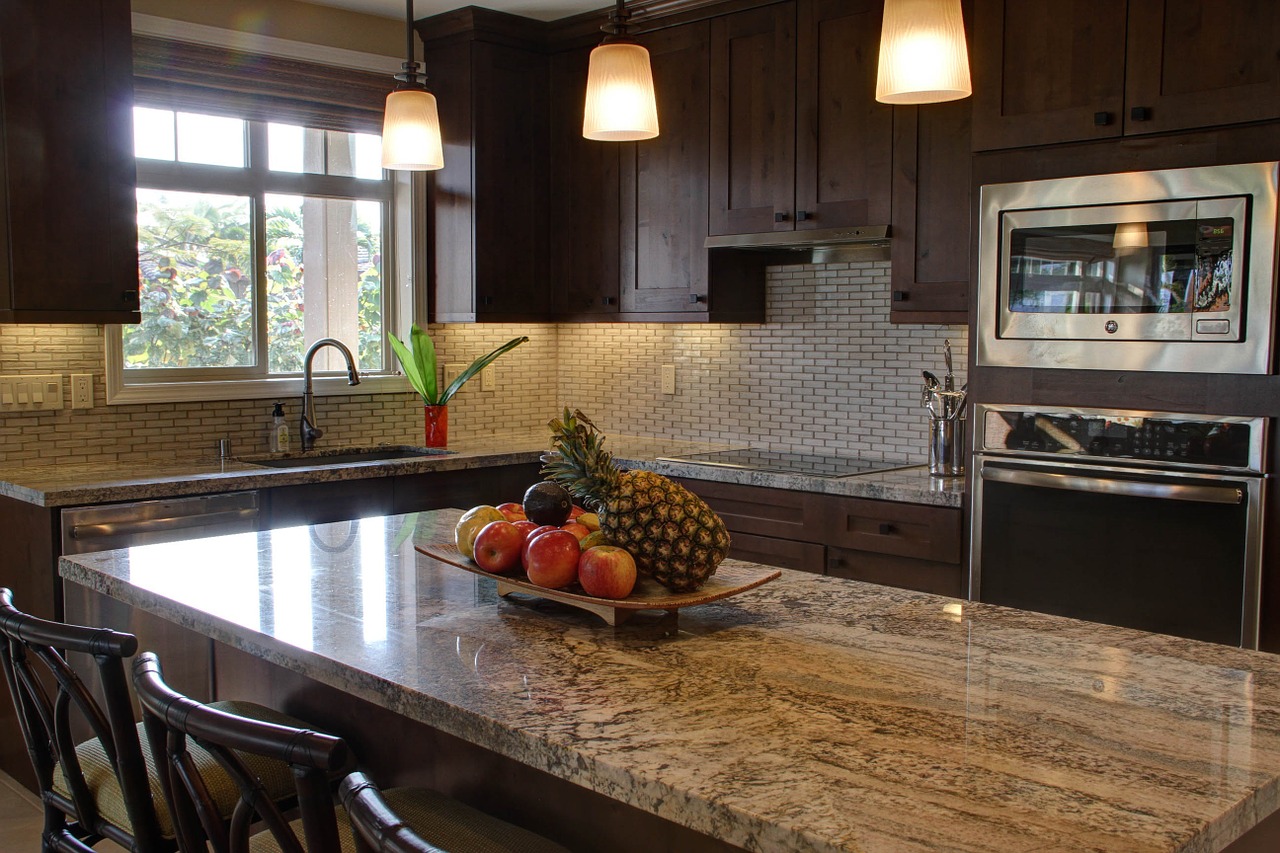
What does an L-shaped kitchen look like?
This is one of the most valued kitchen layouts. It uses two adjoining runs of cabinetry set at a right angle, with one side usually longer to suit a smaller footprint. The corner junction often houses the stove and ovens, with upper cabinets at hand height and lower cabinets within easy reach. Refrigerators and heavy appliances sit at the ends, and the sink ideally lands near the corner turn for an efficient workflow.
How do you adjust outlets in an L-shaped kitchen?
Outlets here include doors, windows, ventilators and chimneys, which should follow cross-ventilation principles. Most designs feature a single door that opens toward the sidewall to save space, with slim windows positioned away from the entry. Smaller kitchens often prioritize a chimney over a separate ventilator, placed above the cooking zone so it ventilates without eating into cabinet space.
Why is the L-shaped layout fantastic?
It saves time and effort and makes movement around the kitchen easy while keeping the workspace organized. The design adapts to both compact and spacious rooms, and it is well suited to managing several cooking tasks at once with minimal mess.
What problems can an L-shaped kitchen have?
Improper installation creates issues. Corner space is often underused, wasting valuable square footage, and poor ventilation damages interiors quickly. A little discipline keeping things organized prevents clutter and protects the workflow.
kitchenkitchen layoutl-shaped kitchen